• About Luis Falcon
  • Cookies & GDPR Privacy Policy

MeanMicio

~ Medicine. Open Science. Animal Rights.

MeanMicio

Tag Archives: HMIS

GNU Health at Med-e-Tel 2013

26 Tuesday Mar 2013

Posted by Luis Falcon in Uncategorized

≈ Leave a comment

Tags

ehealth, free software, gnu, GNU Health, GNU solidario, HMIS, ICT, ISFT, medetel, telemedicine

We are proud to invite  you GNU Health stand at Med-e-Tel 2013: the official event of the International Society for Telemedicine & eHealth (ISfTeH).
Through this event, the ISfTeH facilitates the international dissemination of knowledge and experience in Telemedicine and eHealth in order to provide access to recognized experts in the field worldwide. That’s why GNu Health has been invited to participate as The Free Health and Hospital Information System.

Med-e-Tel focuses on e-Health and telemedicine applications and a wide range of other medical ICT applications and on the convergence of information and communication technology with medical applications, which lead to higher quality of care, cost reductions, workflow efficiency, and widespread availability of healthcare services.

Do not forget to check the list of Med-e-Tel 2013 sponsors and exhibitors, it will be a very productive event.

Med-e-Tel 2013 will allow you to see and test hands-on a number of Telemedicine and eHealth products and solutions from companies around the world. The event will also feature several international organizations and institutions who are active in Telemedicine/eHealth research, implementation and funding or who create global networking opportunities across geographical and professional boundaries.

We’ll see you all in Luxembourg !

Success of GNU Health goes beyond free software

19 Tuesday Mar 2013

Posted by Luis Falcon in Uncategorized

≈ Leave a comment

Tags

free software, fsf, GNU Health, GNU solidario, health information system, healthcare, HMIS, tryton

Please find below Luis Falcón’s interview about GNU Health in opensource.com

In 2006, Luis Falcón founded GNU Health, a free health information system that recently recieved the “Best Project of Social Benefit” award given by the Free Software Foundation.
GNU Solidario is the non-profit NGO behind GNU Health, started as a free software project for Primary Care facilities in rural areas and developing countries. Since then, it has evolved into a full Hospital and Health Information System used by the United Nations, public hospitals and Ministries of Health (such as in Entre Rios, Argentina), and private institutions around the globe.
GNU Health/Solidario and the United Nations International Institute for Global Health—UNU IIGH—signed an agreement in 2011 to train health professionals around the world on the system, as a way of promoting free software in public health, especially in emerging economies. Since then, both organizations have been cooperating and expanding their network of partners to deliver health in a universal way; which, also works towards the UN’s Millenium Development Goals.
Q: What are the top 3 ways that GNU Health is better than a proprietary system in use now?
A: GNU Health is an official GNU program and community-based project, so…
Administrators and providers can download GNU Health for free, study it, then adapt it to their needs.
There’s no vendor lock-in, because there’s no vendor. There are no hidden costs or upgrade scripts. Everyone will always be able to upgrade to the latest version for free.
There is an international community of support around GNU Health. We have community GNU Health demo server, documentation at WikiBooks, IRC channels, mailing lists, bug tracking systems, and a development environment.
Q: How does it go beyond cost?
A: Freedom and ethics.
GNU Health evolves from the talent, feedback, contributions of a constantly growing community.There are already academic institutions, like the United Nations and its International Institute for Global Health, teaching GNU Health to health professionals around the world. GNU Solidario, the non-profit organization behind GNU Health, delivers health and education with free software. We work with the United Nations and other institutions to provide primary care and preventive medicine and other of the MDG (Millenium Development Goals). For instance, we have a GNU Health module specific to MDG6, helping tof ight Malaria, HIV/AIDS and Tuberculosis. GNU Solidario also hosts the International Workshop on eHealth in Emerging Economies, a yearly conference focused on free software on eHealth, and how it can help organizations to improve the lives of their people. We have guests and participants from Doctors without Borders, United Nations, UNESCO, Red Cross, academic institutions, and health ministries. As you can see, it goes far beyond free of cost.
Q: Does GNU Health work in tandem with existing health systems or does it replace them?
A: It can do both.
In terms of health center management, GNU Health combines and integrates patient information from their electronic medical records (demographics, evaluations, medical history, labs, etc.) with the health center’s processes (accounting, human resources, stock, supply chain management, etc.). Any uncoupled systems (accounting, HR, EMR, SCM, etc.) can be replaced in order to optimize the resources and processes into one system.
GNU Health can also interoperate with other free software healthcare projects. For example, GNU Health can store patient medical images (MRIs, Xrays, CT, etc.) locally or connect directly to a PACS server using DICOM viewers like Ginkgo or Aeskulap. Interoperability in a hospital environment is a must and free software provides the tools to achieve more.
Q: Have most health administrators been eager or reluctant to implement an open source health system?
A: We have implemented GNU Health in both public hospitals and private institutions.
And they love the idea of having a system that belongs to them. GNU Health is a community-based project, so they are not tied to a software vendor; there are no licenses, hidden costs, or vendor lock-ins.
Q: Do providers have to buy new equipment and hire IT professionals to implement GNU Health?
A: It depends on the size and complexity of the center.
Hospital Information Systems deal with many aspects (accounting, stock, clinical records, suppliers, epidemiology, laboratory, pharmacy, security and access control, etc.). So, it’s no surprise that a well planned and designed project implemented by a well-trained local team will produce a high-quality product with a high level of sustainability.
Q: Why do you feel GNU Health benefits more patients, caregivers, and doctors than current systems?
A: In addition to being free software…
The system focuses on the human factor and takes a holistic approach to the patient—making concepts like health promotion, disease prevention, family medicine, and social determinants of disease top priorities. From a technical point of view, scalability and adaptability are key. Today there are over 20 different language and localization teams, making it easy for anyone to use GNU Health in their region.
Q: Does GNU Health provide high scalability?
A: GNU Health provides solutions for small offices and large hospitals.
The system’s modular design allows them to adapt its functionality to the complexity of their health center. GNU Health runs on top of the fantastic PostgreSQL database and we can implement it in a centralized or distributed environment. Plus, GNUHealth makes use of Python and Tryton frameworks; both are very scalable.
Q: Do you suggest other open source solutions to health providers and centers?
A: Absolutely.
Systems like Aeskulap or Ginkgo are excellent DICOM viewers. Bika Labs is a LIMS that can connect directly to GNU Health laboratory module. Tryton provides a robust and scalable framework to build enterprise solutions.
Q: What issues do we all need to better understand about our health?
A: Health is an issue for us all, whether we think about it much or not.
I encourage people to ask their politicians to adopt free software in the healthcare sector, because health is a public good. And thus, all health information systems should be based on free software. Public health and propietary software are antagonistic.
We, as individuals, should demand free software in our public administrations. And health professionals should know about free software and how it can help them, their patients, and their caregivers. Next time you go to the doctor, please tell her or him about the benefits of free software and write them a prescription for health.gnu.org!

main  source: http://opensource.com/health/13/3/interview-luis-falcon-gnu-health

UNU-IIGH: GNU Health Training

31 Wednesday Oct 2012

Posted by Luis Falcon in Uncategorized

≈ Leave a comment

Tags

free software, gnu, GNU Health, GNU solidario, HMIS, Public Health, training GNU Health, UNU-IIGH

Another great GNU Health training was delivered by the UNU-IIGH on October 23-24, 2012.
This time, 47 people from the Ministry of Health Malaysia, public and private hospitals, universities as well as non-governmental organisations attended the courses (see more).

Once again, we are very proud and happy to see how GNU Health and Free Software are adopted in Public Health. 
Thanks to our partners from the UNU-IIGH for their commitment with Free Software in healthcare !
1ª Conferencia Nacional de e-Salud

22 Monday Oct 2012

Posted by Luis Falcon in Uncategorized

≈ Leave a comment

Tags

argentina, buenos aires, CISL 2012, e-salud, ehealth, GNU Health, GNU solidario, governments, historia clinica electronica, HMIS, IWEEE, ministerio salud, prevención, Salud Pública, software libre

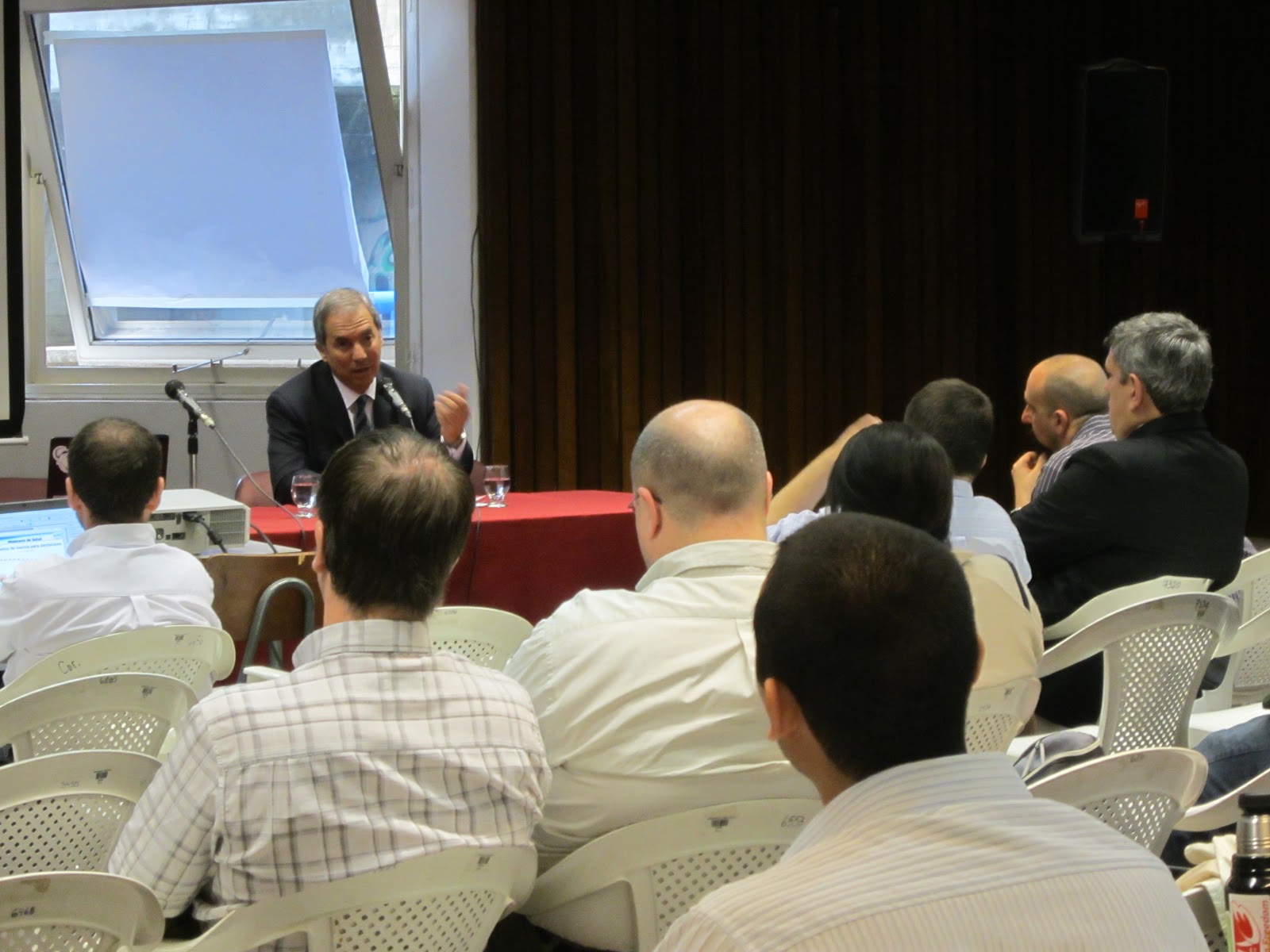
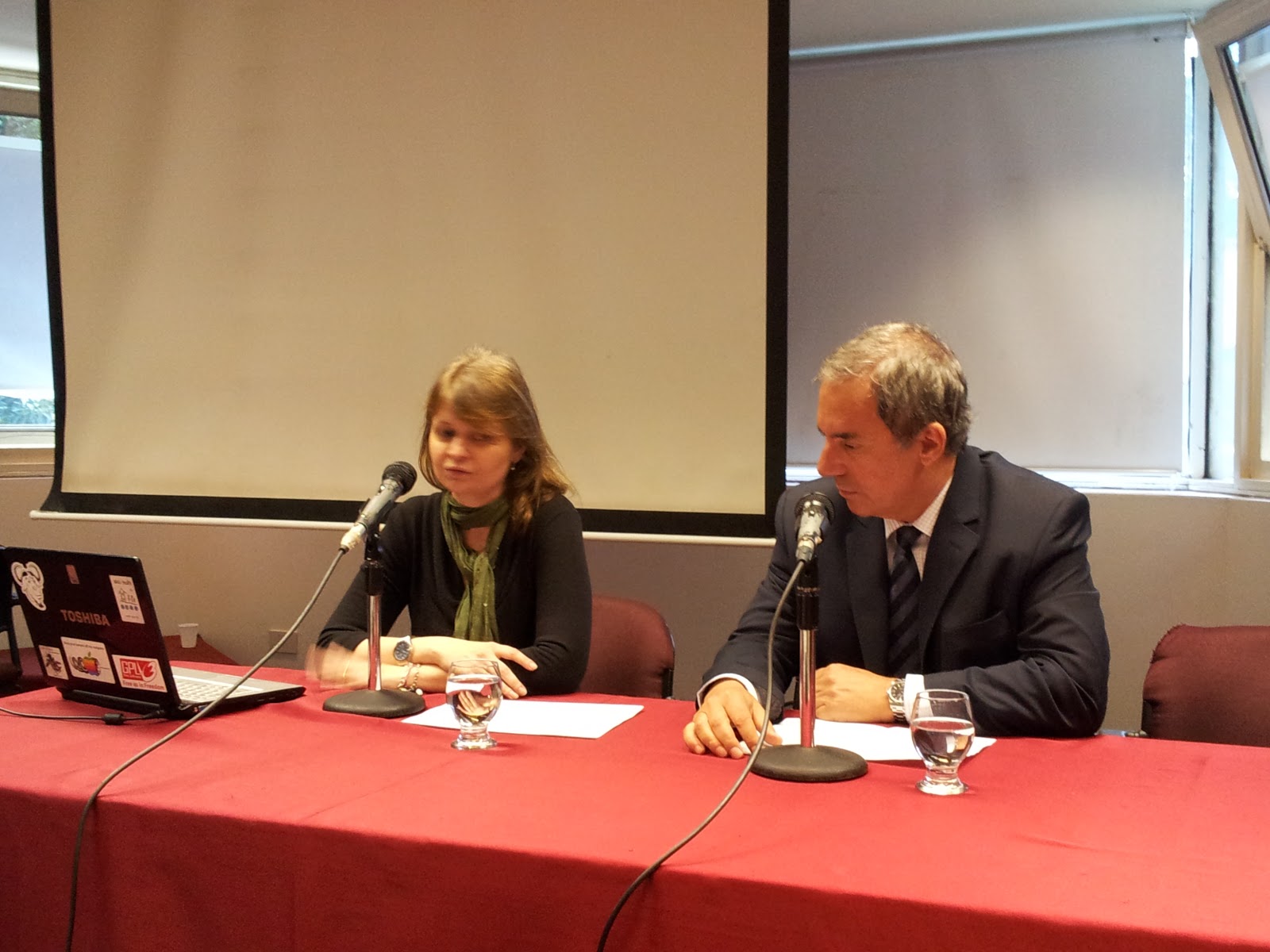
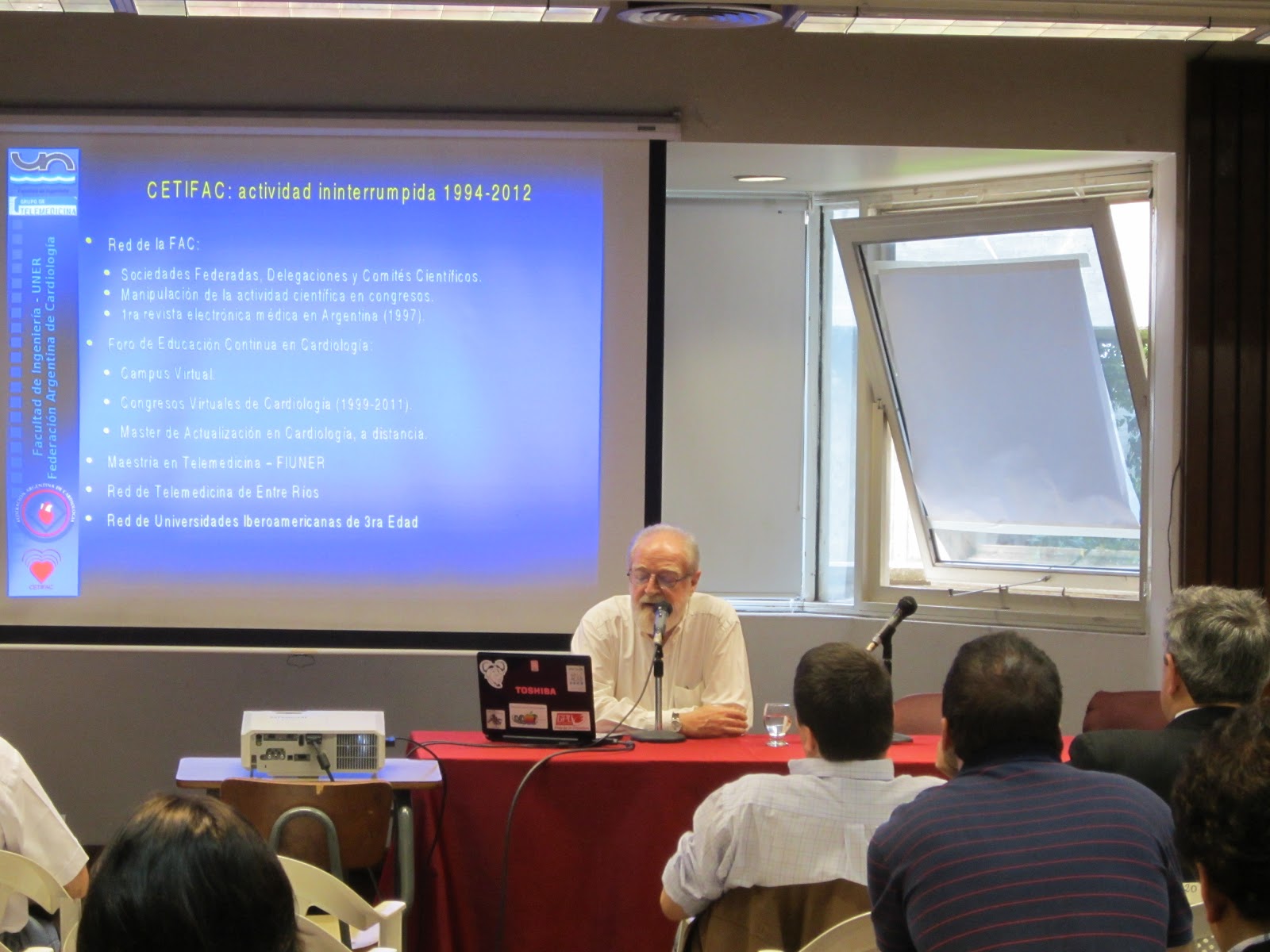
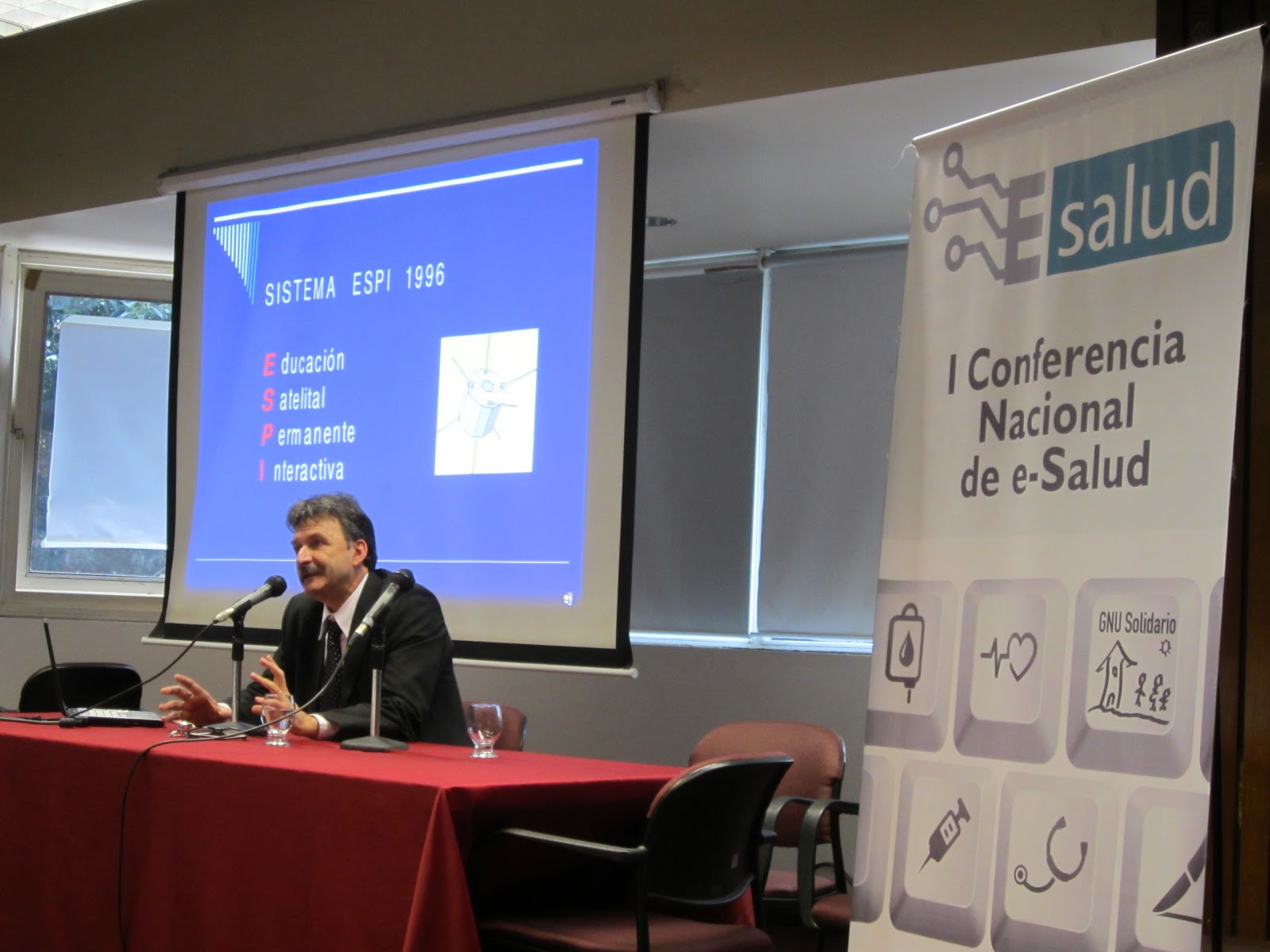
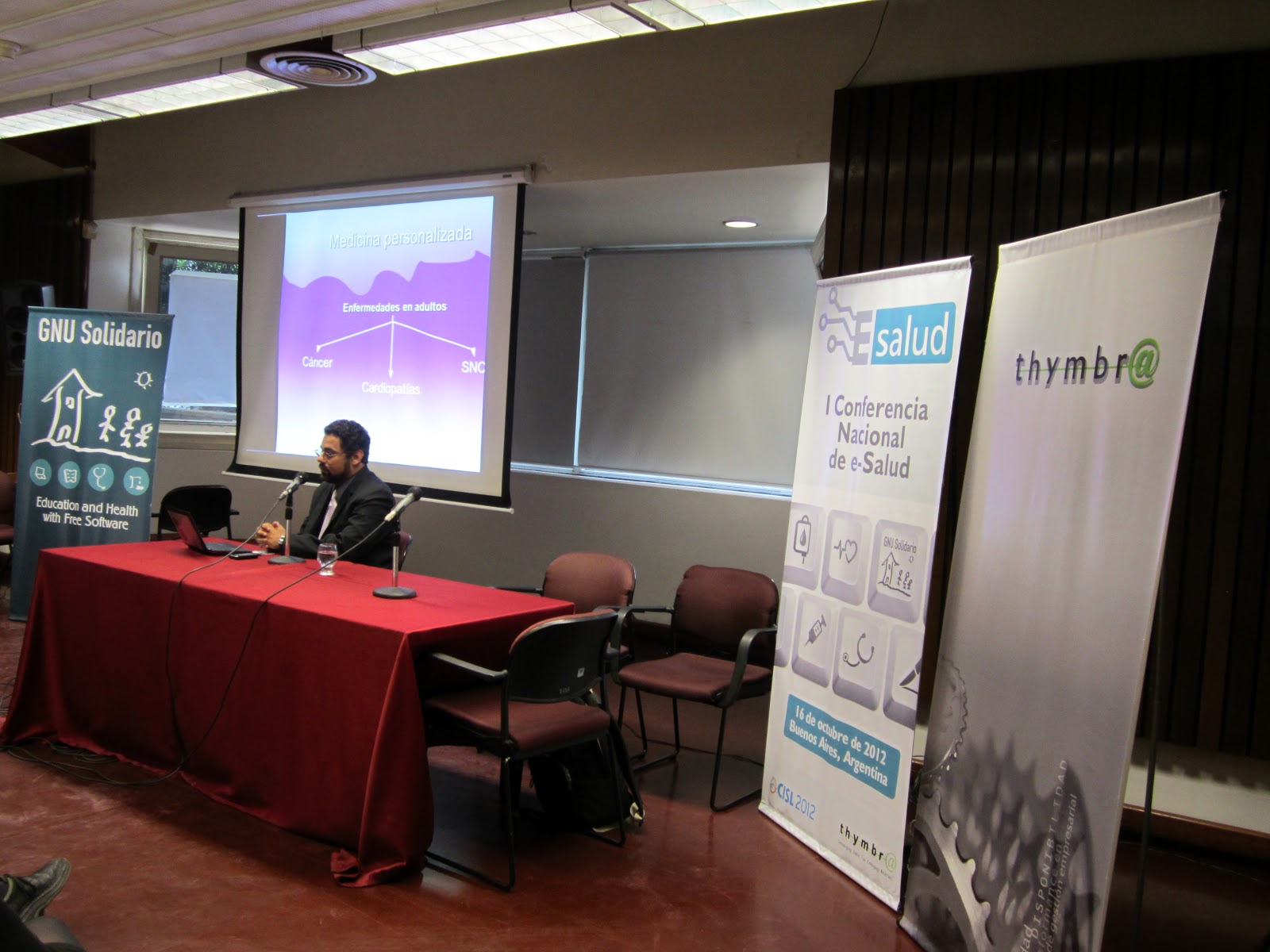
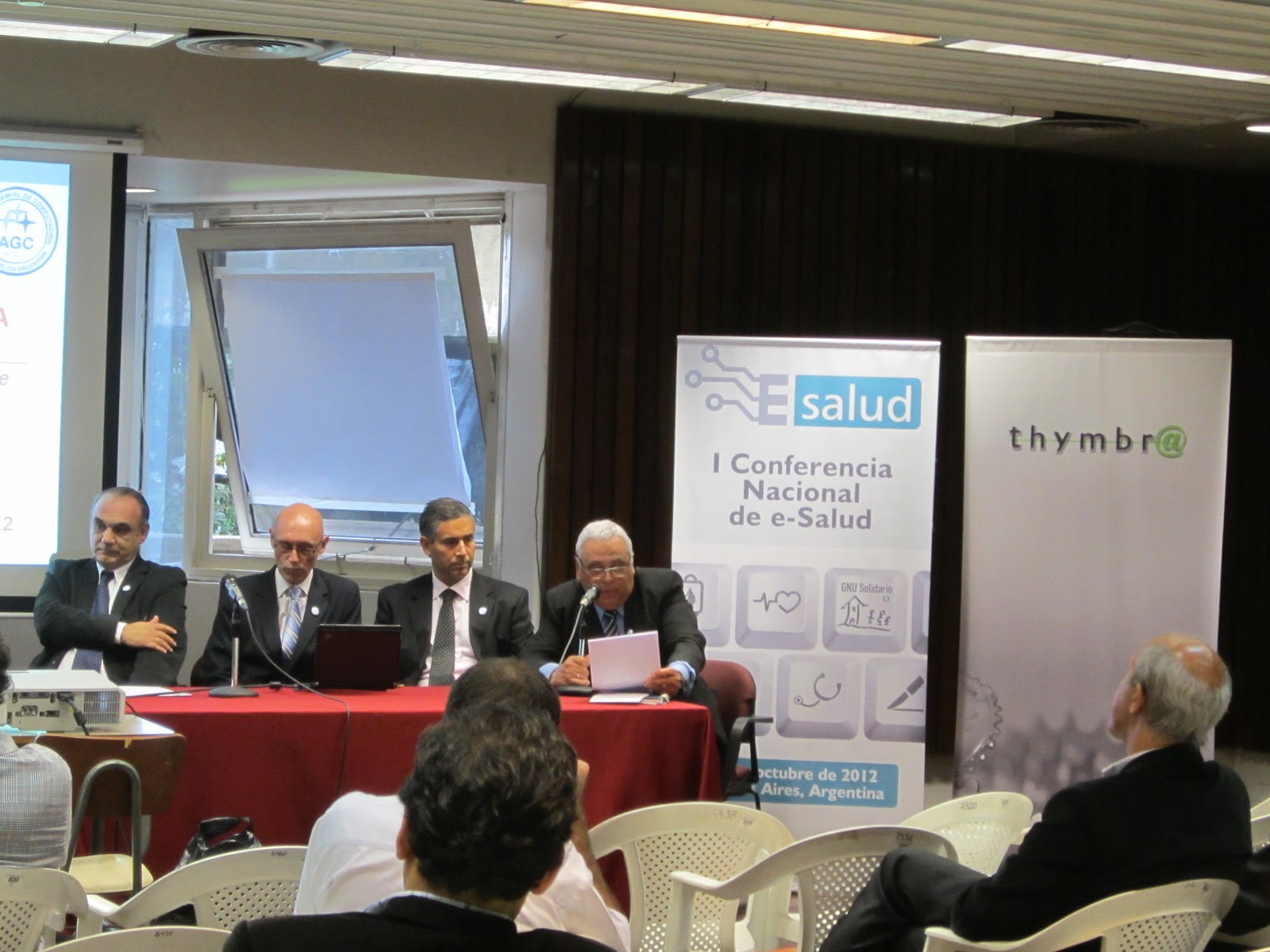
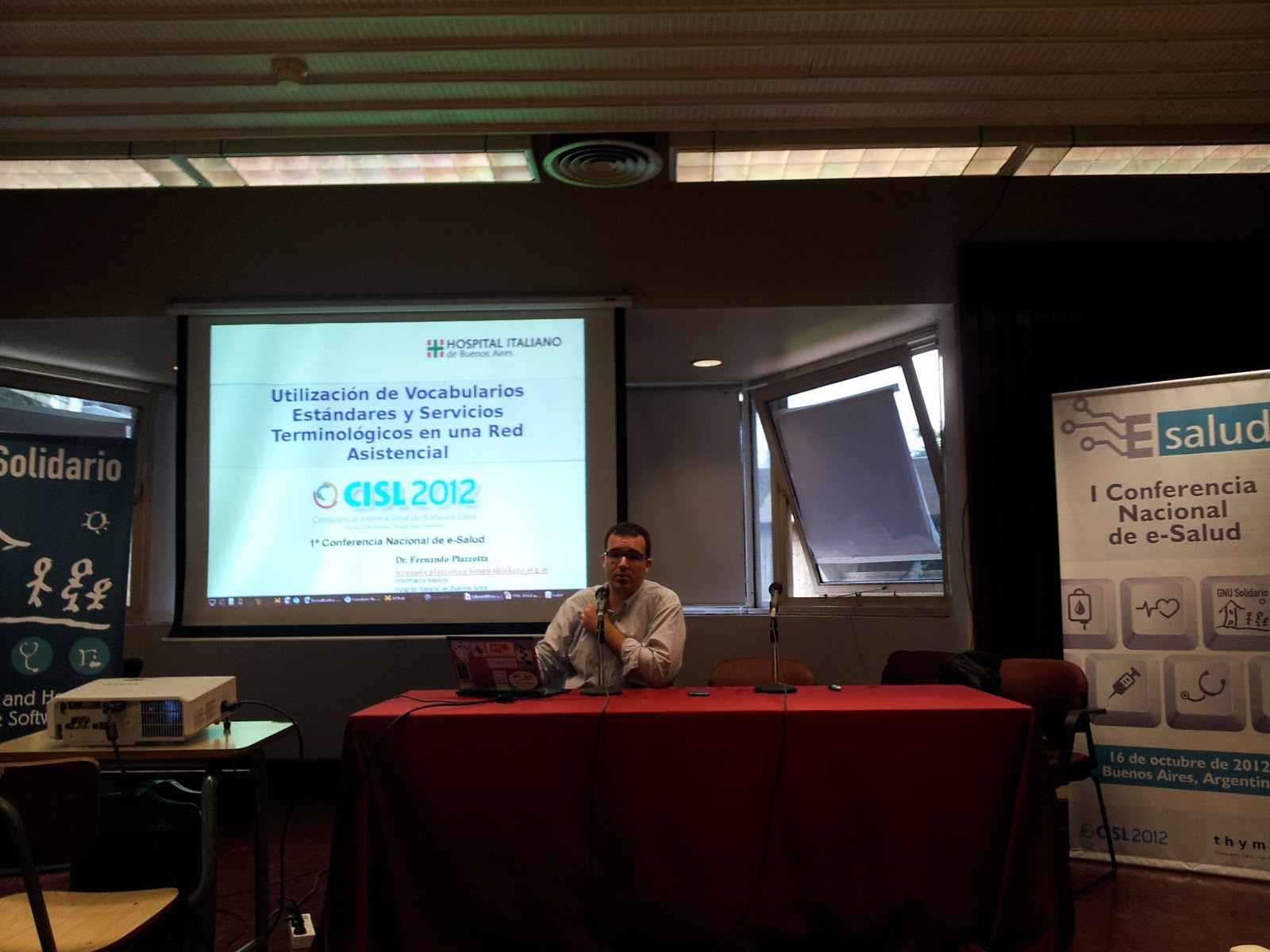
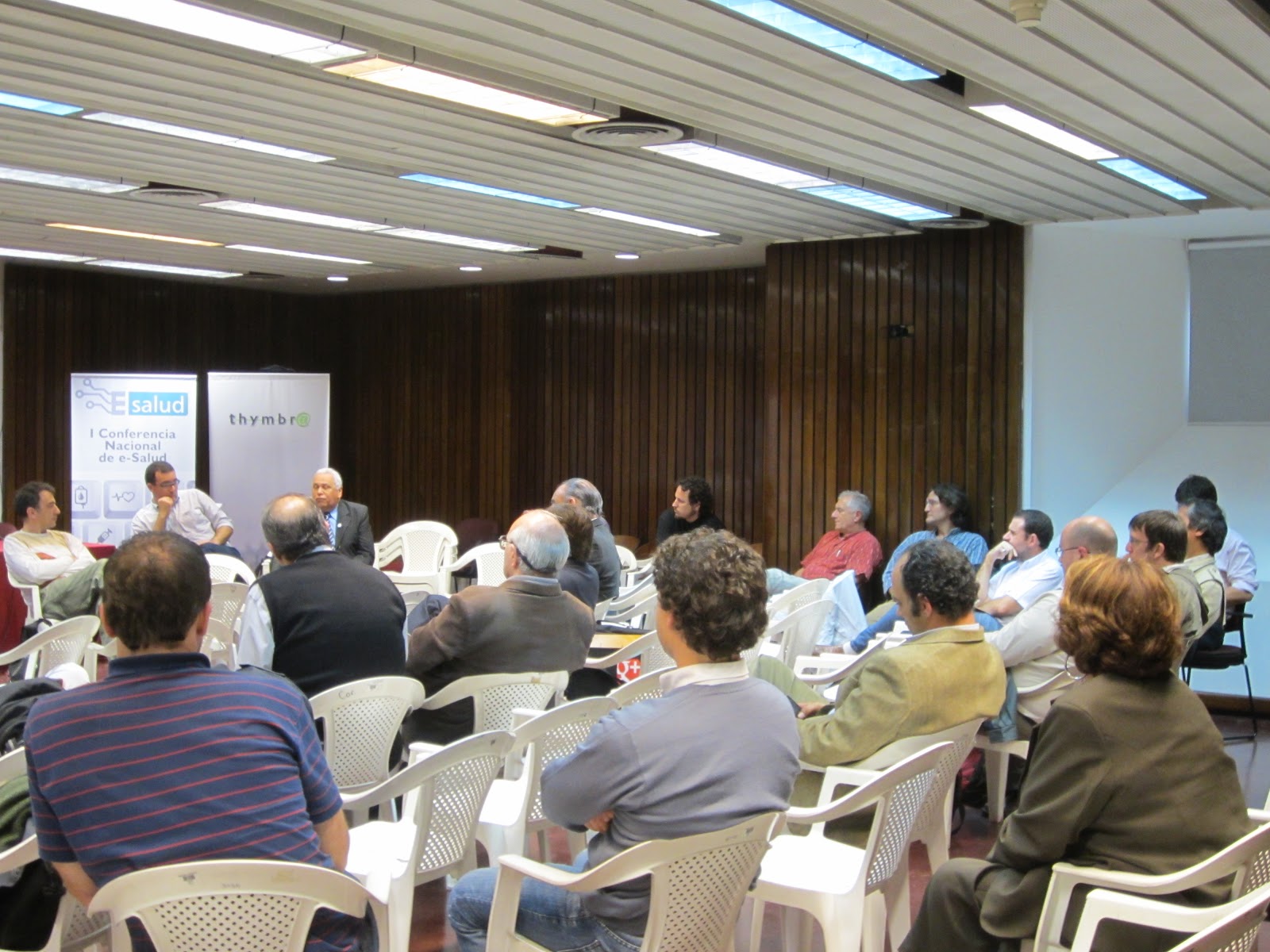
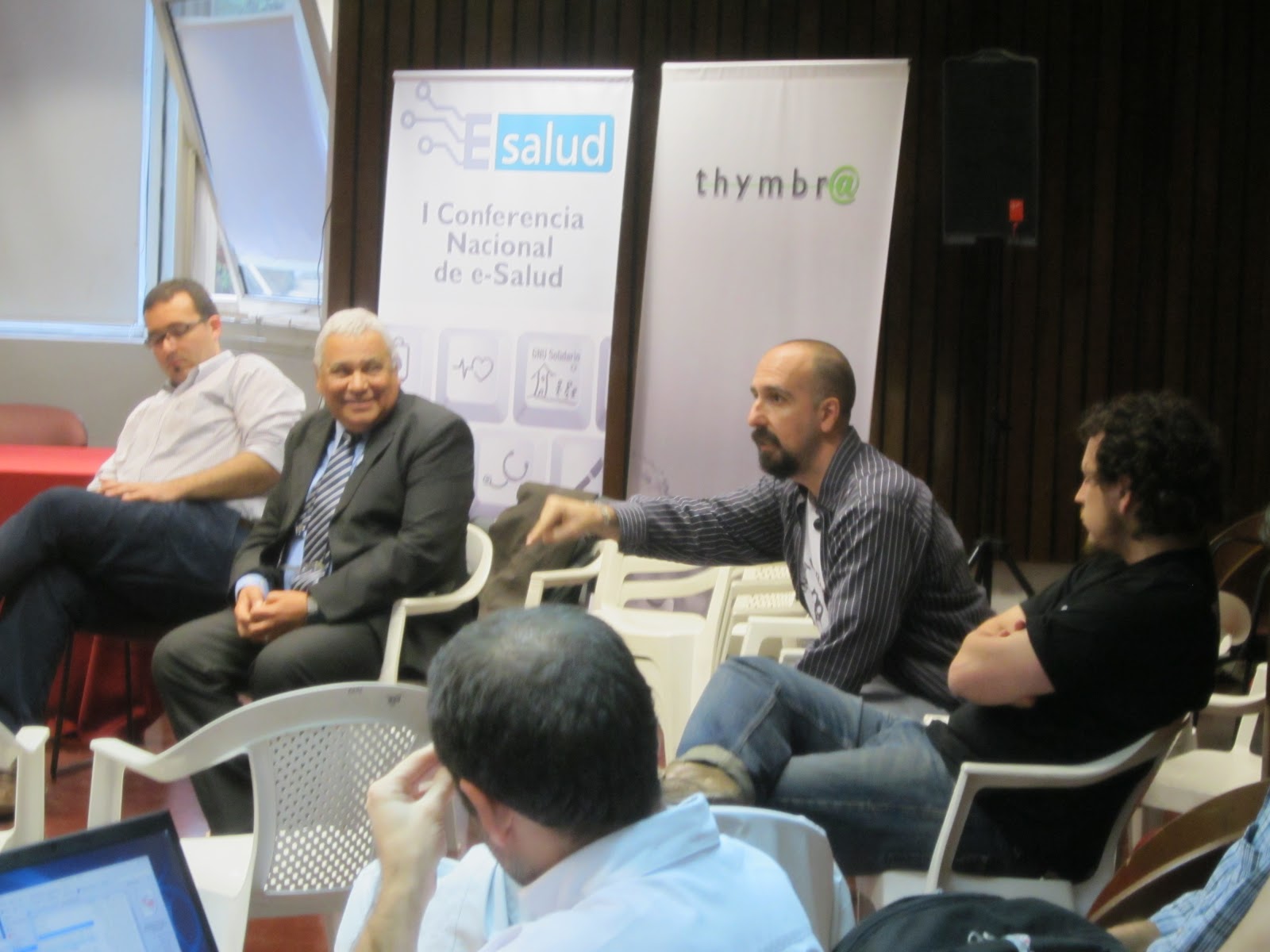
El pasado martes 16 de octubre se llevó a cabo la 1ª Conferencia Nacional de e-Salud en el marco de la CISL 2012.
Más allá de toda la logística, los nervios, los cambios de último momento y demás temas relacionados con la organización, finalmente llegó el gran día.
GNU Solidario, con el proyecto GNU Health, organiza cada año conferencias de este estilo, tanto en América Latina como en Europa,  para impulsar la importancia del uso del Software Libre para que cada vez más personas puedan tener acceso a educación y salud.
Creemos que fue una experiencia muy enriquecedora. La idea era poder intercambiar experiencias y poder luego abrir un espacio al debate. Las presentaciones de los ponentes y la mesa redonda que tuvo lugar a continuación con el público presente, nos dieron una visión mucho más clara de la realidad de la Salud hoy en día (tanto a nivel público como privado), lo que se ha estado haciendo hasta ahora con el Software Libre y de todo lo que se puede y debe hacer a futuro.
Se estuvo debatiendo sobre la importancia y la necesidad cada vez más evidende de un sistema de salud que se pueda manejar con historia clinica digital, como herramienta tanto para el Estado como para sus habitantes. 
Se presentaron diferentes experiencias a nivel académico en donde la aplicación del Software Libre está tomando cada vez más presencia.
Hubo un par de temas que nos parecieron ser una costante. Por un lado  la posibilidad y necesidad de tener que utilizar el Software Libre en los sistemas de salud públicos, universidades y el ámbito privado también y, por el otro la necesidad urgente de estándares libres!
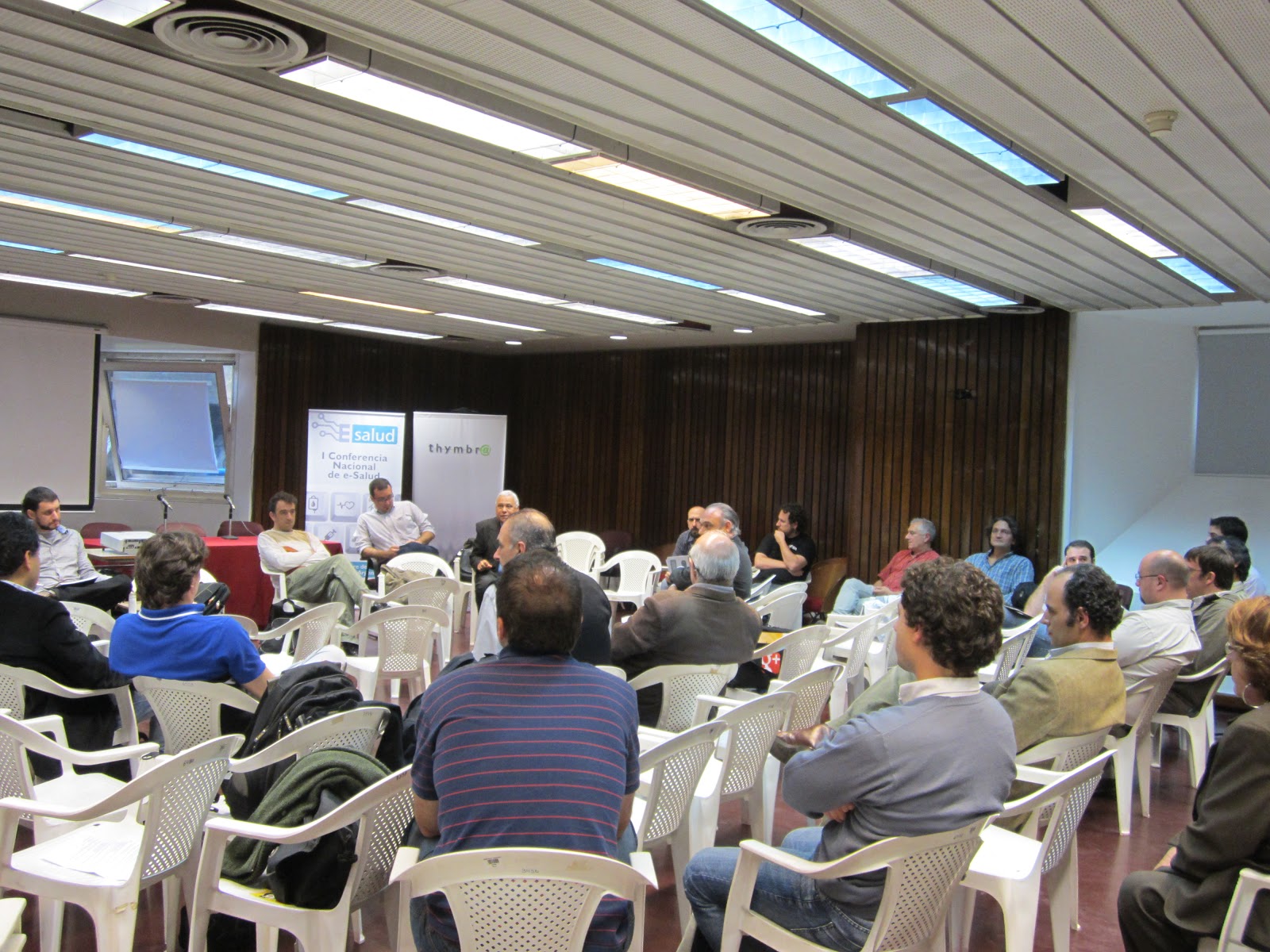
Como siempre se abrió un espacio para el debate que fue de lo más productivo. Como cada vez que nos juntamos a proponer y debatir problemas y soluciones, nos dejamos llevar por el entusiasmo y el tiempo se nos hace corto y finalmente la tarde se nos quedó en nada. Fue una verdadera lástima tener que finalizar la mesa redonda por falta de tiempo ! 
Es por esto que les proponemos continuar no sólo intercambiando ideas sino proponiendo acciones concretas en el próximo evento de GNU Solidario:
Una vez más queremos agradecer a todas las personas que han hecho posible esta conferencia, organizadores, ponentes y participantes. Esperamos volver a verles pronto!

Selene Cordara
Cristina Melgosa

Dr. Donato Spaccavento
Dr. Donato Spaccavento  – Lic. Selene Cordara
Ing. Luis Falcón
Ing. Carlos J. Martín Pérez
Lic. Dario Reisenauer – Bioing. José A. Giacopuzzi
Dr. Jorge Giana
Dr. Armando Pacher
Dr. Luis Simes
Dr. Hugo Arce
Dr. Mariano J. Sturmer
Dr. Hugo Góngora Jara
Lic. Walter Elias 
Lic. Oscar Lagiglia – Ing. Edgardo Genini –
Lic Walter Fernandez -Lic Omar Rodriguez
Dr. Fernando Plazzotta
Mesa redonda 
Mesa redonda 
Mesa redonda
Mesa redonda
Mesa redonda
Mesa redonda

GNU Health versión 1.6 liberada

05 Tuesday Jun 2012

Posted by Luis Falcon in Uncategorized

≈ Leave a comment

Tags

e-prescription, EMR, fsf, gnu, GNU Health, GNU solidario, gynecology, health promotion, HMIS, Public Health, richard stallman, tryton, tuberculosis, WHO

English version from Luis Falcon’s blog
Estoy orgulloso de anunciar la salida de las series 1.6 de GNU Health !

Estas series vienen con muchas características nuevas e interesantes tanto a nivel técnico como funcional.

Desde el punto de vista técnico, la más importante es la compatibilidad con Tryton 2.4 y la demo del database, de manera que usted podrá testearlo con los datos.

Desde el lado funcional hubo mejoras en el módulo ginecológico, especialmente en términos de screening (mamografía, PAP test, colposcopía …) y en la historia clínica.
Ha habido cambios importantes en la funcionalidad de los servicios y facturación, facilitando el seguimiento de todos los servicios realizados a un paciente y de lo que estaría sujeto a facturación.
Otras características de las series 1.6, en breve:
  • Compatible con Tryton 2.4
  • Reporte completo de la Historia Clínica del Paciente en LibreOffice
  • Incluye demo database con mas de 500 pacientes 
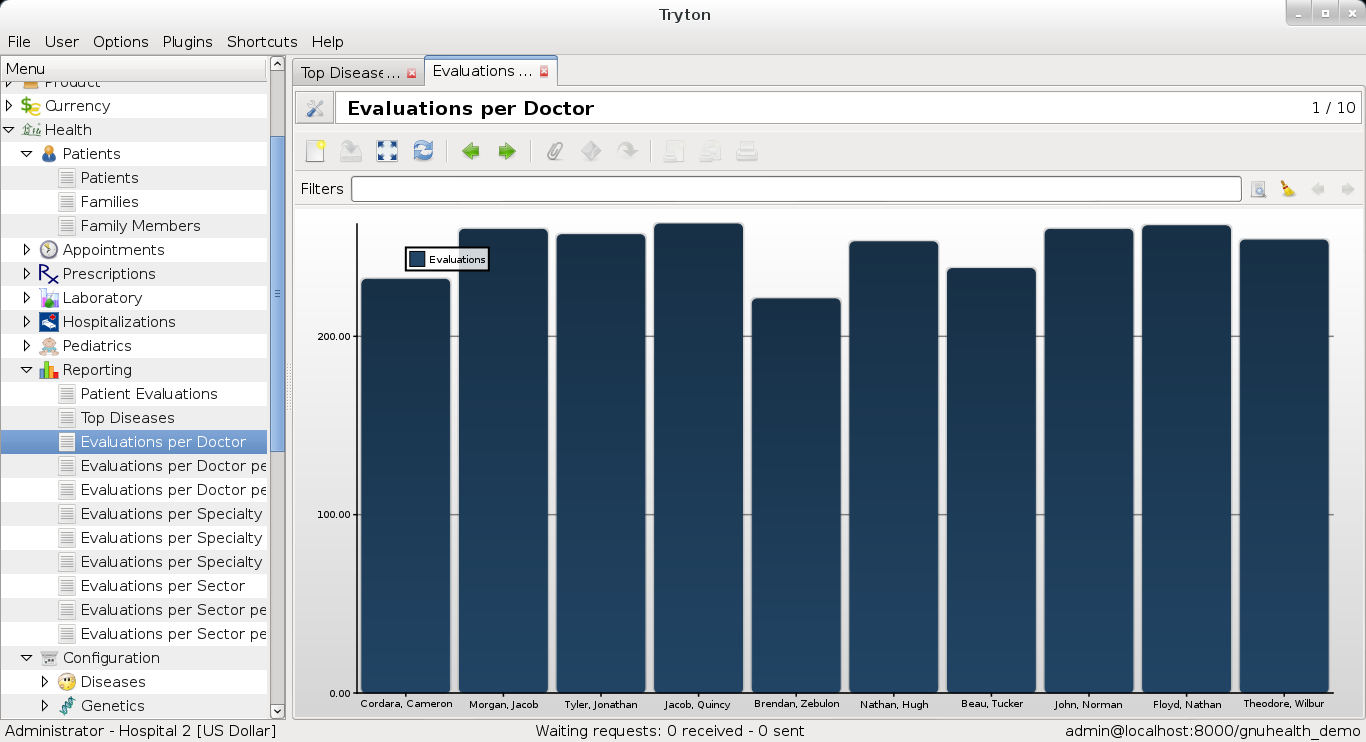
  • Tablas y gráficos estadísticos en tiempo real
  • Asignación automática del doctor en las evaluaciones de los pacientes
  • Añade Screening Historia Ginecológica – Mamografía, PAP y colposcopía
  • Mejora de evaluación del paciente, diagnóstico diferencial y condiciones secundarias
  • Añade grupos de enfermedades, muy útil para epidemiología
  • Mejor seguimiento de paciente y contacto
  • Primeros tests de laboratorio de Tuberculosis, incluidos en el módulo  MDG (Millennium Development Goal # 6 ).
Hemos incluido también el Módulo de Health servicios, 
 

Este nuevo módulo permite agrupar todos lo servicios realizados a un paciente, ya sea en el ámbito ambulatorio o de internación. Este módulo permitirá también al Centro de Salud facturar servicios determinados a un party específico (paciente, compañía de seguro …). Dado que los servicios están vinculados a los productos, el centro de salud mantendrá un registro detallado de los medicamentos e insumos utilizados. Podrán también relacionar las órdenes de laboratorio.

Gracias a todos ustedes que han contribuido a esta nueva versión de GNU Health. Gracias a la comunidad Tryton para la gran versión Tryton 2.4; a mis compañeros de Thymbra para desarrollar el módulo de gráficos / reportes (Sebastián), por trabajar  en la documentación y testing (Cristina y Selene) y, por supuesto, a toda la comunidad de GNU Health y GNU para adoptar y hosting nuestro proyecto !
About GNU Health

GNU Health es un Sistema Libre de Gestión Hospitalaria y de Información de la Salud con las siguientes funcionalidades:

  •     Expediente Médico Electrónico (EMR)
  •     Sistema de Gestión Hospitalaria (HIS)
  •     Sistema de Información de Salud
GNU Health ha sido galardonado con el Mejor Proyecto de Beneficio Social por la Free Software Foundation en 2012.

GNU Health es un paquete oficial GNU Package, elegido por Richard Stallman, y es parte de GNU Solidario. GNU Solidario es una NGO que ofrece soluciones para la educación y la salud con el software libre.


GNU Health es el Sistema de Información Hospitalario elegido por  el International Institute of Global Health de las Naciones Unidas.

Pagina web : health.gnu.org

Gobiernos que acogen a GNU Health en sus portales :

European Commission (EU) , JoinUp
 
Brazil: Portal do Software Público Brasileiro (SPB)

GNU Health: version 1.6

29 Tuesday May 2012

Posted by Luis Falcon in Uncategorized

≈ Leave a comment

Tags

ehealth, EMR, free software, gnu, GNU Health, GNU solidario, health, HMIS, Public Health, tryton

 
We are glad to inform you that the new version of GNU Health 1.6 is available for download.
You can find it here: http://health.gnu.org
For more info please feel free to contact us: info@gnusolidario.org

GNU Solidario presenta GNU Health en Perú

23 Monday Apr 2012

Posted by Luis Falcon in Uncategorized

≈ Leave a comment

Tags

e-prescription, EMR, gnu, GNU Health, HMIS, Hospital Information System, Perú, Salud Pública

Por Sebastián Marró:
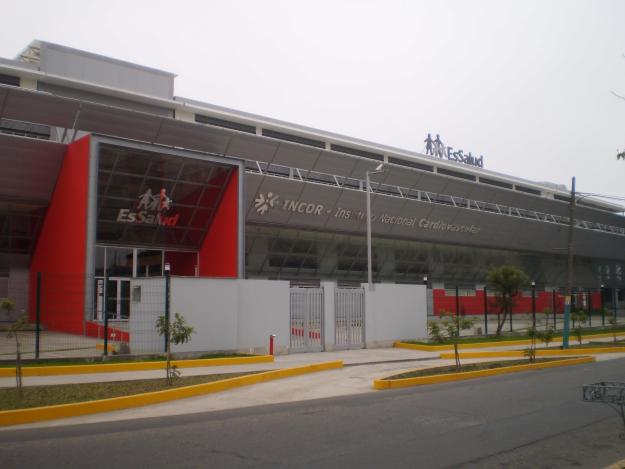
El lunes pasado regresé de Perú, donde fuimos invitados por EsSalud (Dr. Alvaro Vidal Rivadeneyra – Presidente Ejecutivo) en conjunto con la Oficina Nacional de Gobierno Electrónico e Informática (ONGEI) para presentar GNU Health, el sistema Libre de Gestión Hospitalaria y de Salud, en el marco del Encuentro Internacional “Tecnologías de Información, como Herramienta en la Salud e Inclusión Social 2012” realizado en las instalaciones del Instituto Nacional del Corazón (INCOR), en Lima.
  
El Seguro Social de Salud o EsSalud es la institución peruana de la seguridad social en salud. Cuenta con hospitales generales, policlínicos y establecimientos especializados de salud, así como Centros del Adulto Mayor y Centros Especializados de Rehabilitación Profesional. 
Fueron un total de cuatro los días que pasé en Lima. El día jueves fue la inauguración del Evento. Por la mañana se habló de la problemática actual que está sufriendo la institución EsSalud en materia de soluciones TI, mientras que por la tarde tuve la oportunidad de ver presentaciones de casos exitosos en el ámbito internacional entre las cuales quiero destacar la presentación del software para laboratorios Bika Health, a cargo de Johannes Nicolaas Smit (Lemoene) de Sudáfrica y el Dr. Christoph Heinrich Larsen de Vietnam y la presentación de InVesalius, software para la reconstrucción de estructuras del cuerpo humano, a cargo de Jorge da Silva de Brasil.
 
 
El día viernes tuve la oportunidad de dar la primer exposición sobre GNU Health para personal de EsSalud: Alta Dirección, gerentes, jefes de las Oficinas Centrales, personal de Salud e Informática, así como los responsables del conjunto de las redes asistenciales. Como invitados también se encontraban funcionarios del MINSA, SUNASA, MEF, SUNAT, centros asistenciales de la policía y fuerzas armadas, hospitales de la solidaridad.
 
 
Por la tarde nos dividimos en grupos de trabajo donde pudimos entrar en contacto directo con la problemática de EsSalud y contestar diversas inquietudes que los profesionales de la salud e informática nos fueron presentando.

El sábado al medio día pude dar la segunda exposición sobre GNU Health, en este caso el evento estaba abierto al público en general, donde puede explicar las bondades de tener la libertad de usar y parametrizar GNU Health con el fin de adecuarlo a sus necesidades. Tuve el agrado de conocer a Jefes Informáticos de las distintas redes asistenciales del Perú, con los que pude profundizar en algunos aspectos de GNU Health y con los que espero poder continuar en contacto
 
El día domingo pude aprovechar para pasear y conocer la bonita ciudad de Lima junto con el Dr. Christoph Larsen y Lemoene.
 
 
Agradezco en nombre de GNU Solidario a las autoridades de EsSalud por su invitación y hospitalidad, a Alfonso de la Guarda por gestionar nuestra participación en este evento y a Cecilia Contreras por su ayuda con todos los temas logísticos y hacerme sentir tan bien!


Más información: info@gnusolidario.org

New version GNU Health 1.4.5

20 Friday Apr 2012

Posted by Luis Falcon in Uncategorized

≈ Leave a comment

Tags

ehealth, EMR, free software, gnu, GNU Health, GNU solidario, governments, HMIS, tryton

GNU Solidario is happy to announce the release of the new stable version of GNU Health 1.4.5


This version has major improvements in patient evaluation and history taking  process, as well as the reporting.  The genetics, lifestyle views have also been updated, among others improvements and bug fixes.

We have also incorporated the initial version of the MDG # 6 module (Millennium Development Goal), to fight against malaria, tuberculosis and HIV/AIDS. I have started with the TB functionality, with the Lab functionality. If you’re interested in working on this module, please
send us a mail to health@gnu.org

The next version (1.6.0) will be under Tryton 2.4 , and we’re already adapting it. As you know, GNU Health or Tryton comes with the update path, so the health center does not have to worry about migrations !

Please, as usual, test it and report bugs and suggestions in the Savannah !

Image

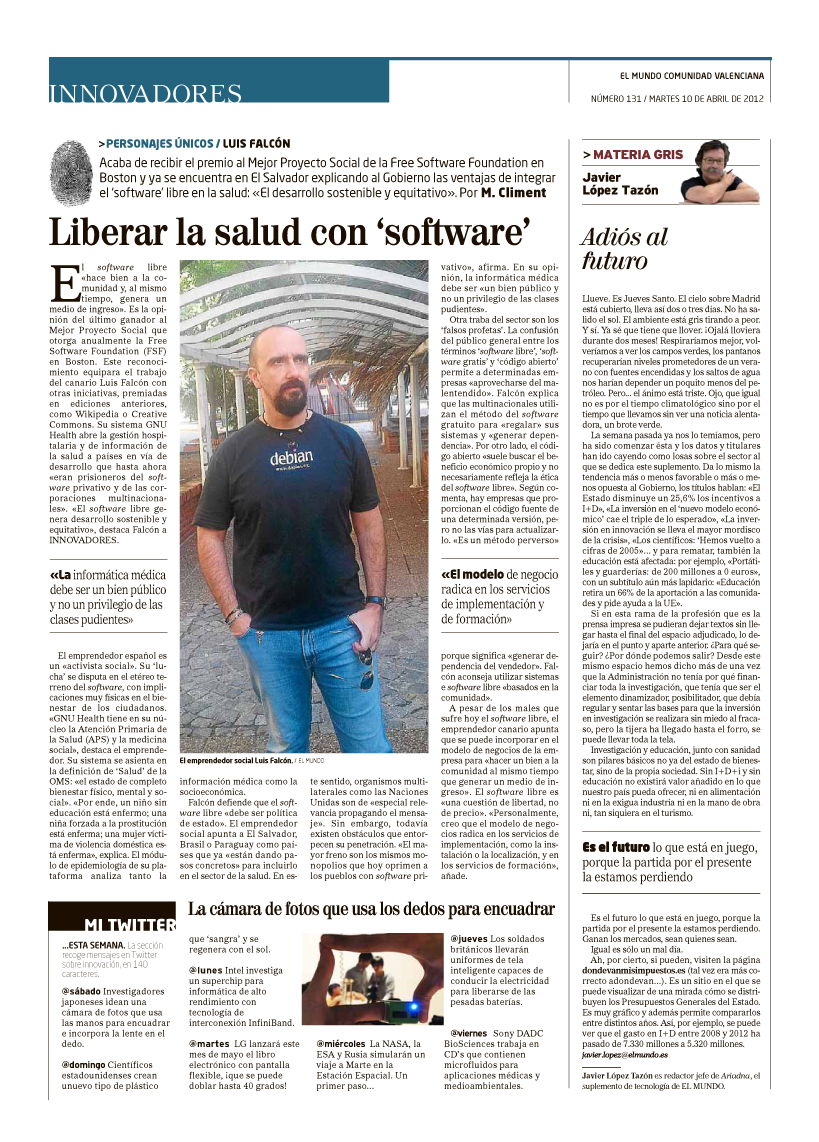
GNU Health in the press

11 Wednesday Apr 2012

Tags

ehealth, EMR, es, free software, fsf, gnu, GNU Health, GNU solidario, HMIS, libreplanet, luis falcon, premio, prensa, Salud Pública, tryton

Posted by Luis Falcon | Filed under Uncategorized

≈ Leave a comment

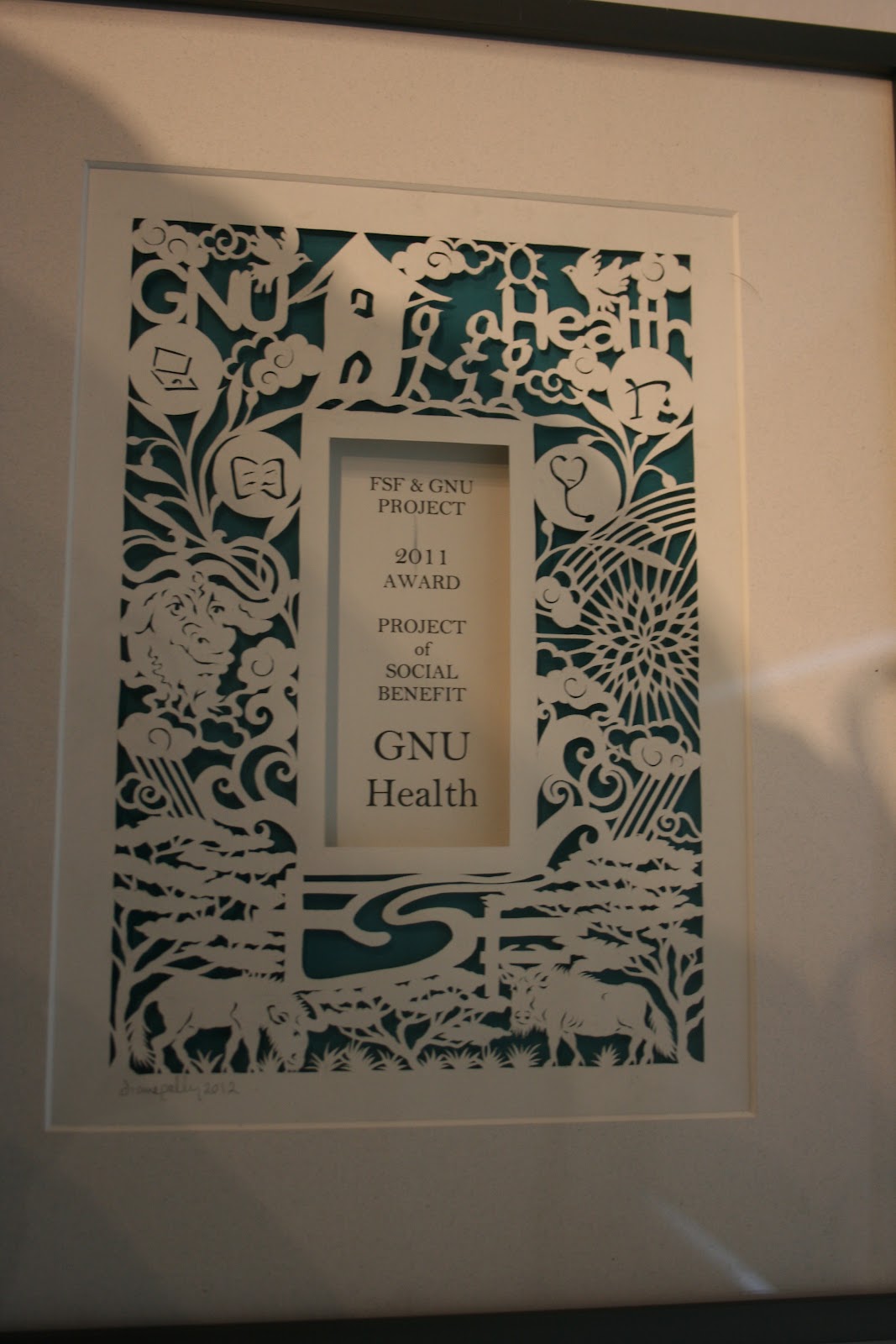
GNU Health wins the FSF Award for Projects of Social Benefit

25 Sunday Mar 2012

Posted by Luis Falcon in Uncategorized

≈ Leave a comment

Tags

award, ehealth, EMR, free software, fsf, gnu, GNU Health, GNU solidario, HMIS, libreplanet, tryton


We are extremely proud to announce that GNU Health just won the Award for Projects of Social Benefits, at LIBREPLANET 2012, Boston.

The Free Software Foundation gave GNU Health the Award for Projects of Social Benefits ! I want to share with all of you committed to free software as a tool for social justice and equity. I also want to share it with the health professionals who work daily on improve the lives of the most needy. Luis Falcón

The Free Software Foundation gives this Award  to a project that intentionally and significantly benefits society through collaboration to accomplish an important social task.

Luis Falcón and Richard Stallman 


More pics in the next few days !

http://health.gnu.org/
http://www.fsf.org/
← Older posts
Newer posts →

Recent Posts

  • Gracias, India
  • Parallel and distributed computing in GNU Health
  • El cambio de horario es un atentado contra la salud. Rechazarlo es la mejor medicina
  • Tu finca, su infierno
  • La Cátedra de Animales y Sociedad de la URJC: Un referente de empatía y respeto hacia los animales.

Archives

  • September 2025
  • May 2025
  • March 2025
  • February 2025
  • May 2024
  • July 2023
  • March 2023
  • February 2023
  • January 2023
  • October 2022
  • August 2022
  • April 2022
  • February 2022
  • September 2021
  • August 2021
  • July 2021
  • June 2021
  • March 2021
  • December 2020
  • September 2020
  • July 2020
  • May 2020
  • March 2020
  • February 2020
  • November 2019
  • October 2019
  • June 2019
  • April 2019
  • May 2018
  • November 2017
  • October 2017
  • June 2017
  • May 2017
  • April 2017
  • March 2017
  • February 2017
  • January 2017
  • December 2016
  • November 2016
  • October 2016
  • September 2016
  • August 2016
  • July 2016
  • June 2016
  • May 2016
  • April 2016
  • March 2016
  • February 2016
  • January 2016
  • November 2015
  • October 2015
  • September 2015
  • August 2015
  • July 2015
  • May 2015
  • March 2015
  • February 2015
  • January 2015
  • December 2014
  • October 2014
  • September 2014
  • July 2014
  • June 2014
  • May 2014
  • April 2014
  • March 2014
  • December 2013
  • November 2013
  • October 2013
  • September 2013
  • August 2013
  • July 2013
  • June 2013
  • May 2013
  • April 2013
  • March 2013
  • February 2013
  • January 2013
  • December 2012
  • November 2012
  • October 2012
  • September 2012
  • August 2012
  • July 2012
  • June 2012
  • May 2012
  • April 2012
  • March 2012
  • February 2012
  • January 2012
  • December 2011
  • November 2011
  • October 2011
  • September 2011
  • August 2011
  • July 2011
  • June 2011
  • May 2011
  • April 2011
  • March 2011
  • February 2011
  • January 2011
  • December 2010
  • November 2010
  • October 2010
  • September 2010
  • August 2010
  • July 2010
  • June 2010
  • May 2010
  • April 2010
  • March 2010
  • February 2010
  • January 2010
  • December 2009
  • November 2009
  • October 2009
  • September 2009
  • August 2009
  • July 2009
  • June 2009
  • May 2009
  • February 2009
  • November 2008
  • October 2008
  • September 2008
  • December 2007
  • October 2006

Categories

  • #FHIR
  • animal liberation
  • animal rights
  • embedded
  • events
  • gnu
  • GNU Health
  • GNU solidario
  • HMIS
  • KDE
  • Libre Software
  • LIMS
  • medical
  • MyGNUHealth
  • Public Health
  • thalamus
  • tryton
  • Uncategorized

Meta

  • Create account
  • Log in
  • Entries feed
  • Comments feed
  • WordPress.com

Blog at WordPress.com.

  • Subscribe Subscribed
    • MeanMicio
    • Already have a WordPress.com account? Log in now.
    • MeanMicio
    • Subscribe Subscribed
    • Sign up
    • Log in
    • Report this content
    • View site in Reader
    • Manage subscriptions
    • Collapse this bar